
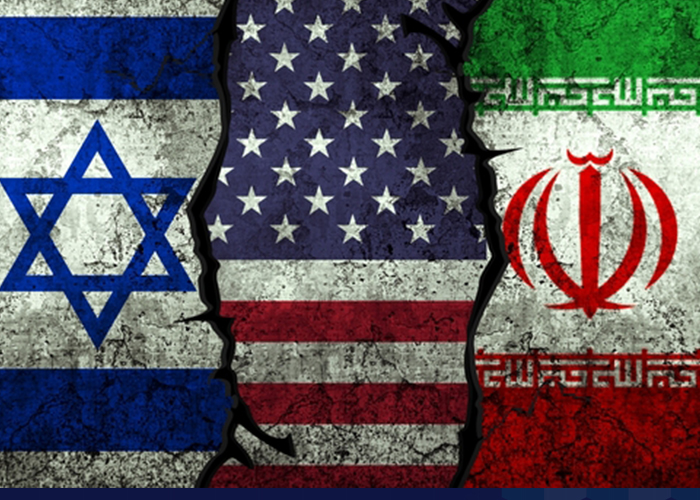
Iranian state-linked media have issued warnings that major American technology companies could face cyber attacks in response to escalating geopolitical tensions, raising fresh concerns across the cybersecurity community about the risk of retaliatory digital operations.
The warning reportedly identified several large U.S. technology firms as potential targets because of their perceived links to Western government and defence activities. Security analysts say the statements reflect a broader pattern in which state-linked actors signal potential cyber retaliation during periods of heightened political or military tension.
Cybersecurity experts note that Iranian cyber operations have historically focused on disruptive or intelligence-gathering activities rather than large-scale destructive attacks. These operations can include distributed denial-of-service attacks, website defacements, data theft, and “hack-and-leak” campaigns designed to expose sensitive information or damage reputations.
Government agencies in the United States have also warned organisations to remain vigilant for potential cyber activity associated with Iranian threat actors.
The U.S. Cybersecurity and Infrastructure Security Agency (CISA) has previously cautioned that Iranian state-sponsored and affiliated cyber groups have a demonstrated capability to target networks of interest to the Iranian government, particularly during periods of geopolitical tension.
CISA has advised organisations to strengthen their cyber defences, noting that attackers often exploit routine security gaps such as weak authentication controls, outdated software and unpatched vulnerabilities.
In earlier guidance addressing Iranian cyber threats, CISA stated that organisations should assume they could be targeted and adopt a proactive security posture.
“Organizations should maintain heightened vigilance and review their security posture to ensure systems are fully patched, access controls are enforced, and monitoring capabilities are in place to detect unusual activity,” the agency said.
Security analysts say large technology companies could be attractive targets because their platforms underpin critical infrastructure, government services, financial systems and global communications networks.
Cloud services, artificial intelligence platforms and enterprise software tools are increasingly used by governments, defence organisations and businesses worldwide. As a result, the companies that operate this infrastructure are becoming more visible participants in geopolitical competition.
Cybersecurity specialists also warn that even when attacks do not directly disrupt services, data theft or operational disruptions can have wider economic and political consequences.
In response to the evolving threat environment, CISA and other security authorities are urging organisations — particularly those operating critical infrastructure or cloud services — to implement stronger identity protections, monitor unusual login activity and ensure incident response plans are up to date.
The warning from Iranian sources highlights the growing role of cyber operations in geopolitical disputes. Analysts say digital attacks now form a central part of modern statecraft, allowing nations and affiliated groups to apply pressure or demonstrate retaliation without escalating into conventional military conflict.
For global technology companies, the development underscores how cyber threats have become closely intertwined with international politics and national security.