
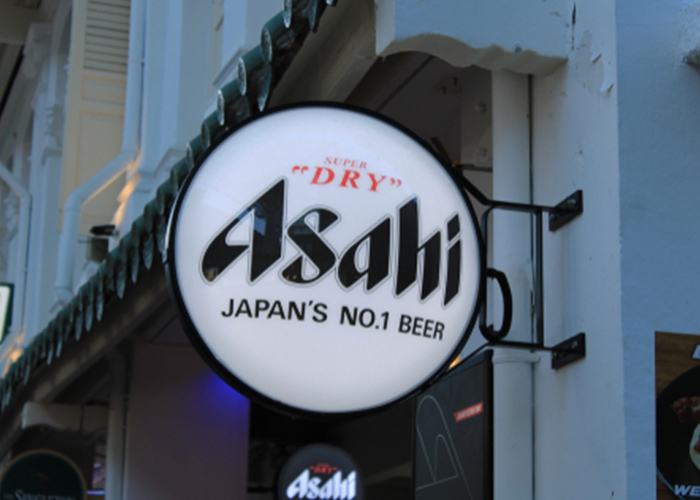
A ransomware attack on Asahi Group has forced the Japanese beverage manufacturer to delay its nine-month earnings announcement, underscoring the growing financial and operational risks that cyber incidents pose to major industrial organisations.
During a November press conference, Asahi said system outages across Japan and East Asia prevented the company from finalising revenue and profit figures, disrupting key internal processes and delaying its scheduled earnings release. The incident reflects how interconnected manufacturing environments have become, where a single breach can affect multiple business units and operational systems simultaneously.
The company also reported that personal information belonging to up to 1.9 million individuals may have been exposed in the attack. While no credit-card data was compromised, the potential scale of the leak highlights increasing privacy and compliance pressures on enterprises that maintain extensive customer and employee data.
Takanori Nishiyama, Senior Vice President APAC and Japan Country Manager at Keeper Security, said the incident illustrates a broader pattern seen across global ransomware and data-exfiltration attacks: initial intrusion often stems from compromised credentials or misuse of privileged accounts. Rather than focusing on perimeter systems, attackers increasingly target passwords, authentication secrets and administrative access as entry points.
In Japan’s manufacturing sector, where older operational-technology systems are being integrated with digital platforms, cloud services and supplier networks, identity-based weaknesses create what Nishiyama described as “systemic risk.” Organisations may struggle to gain full visibility into how a breach spreads across both IT and OT environments.
Nishiyama said adopting a zero-trust security model with modern privileged-access controls is now essential. Measures such as least-privilege enforcement, continuous verification of users and devices, and strong governance over administrative activity can reduce exposure to credential-driven attacks.
He noted that as Japan introduces new active cyber-defence legislation and tighter incident-reporting rules, companies that improve their identity and access management frameworks will be better positioned to meet regulatory expectations and maintain operational resilience.
The Asahi attack adds to a growing list of high-profile intrusions targeting manufacturing and supply-chain operators, reinforcing concerns about the cybersecurity readiness of critical industries.