
Cyber attackers have grown more strategic, using stealth and speed to find weaknesses in the systems organisations rely on every day. As digital infrastructure becomes more sophisticated, so too do the tools and methods used to exploit it. Keeping ahead of these threats is no longer dependant on a single product or platform; it is how well organisations understand their attack surface and anticipate the moves of their opponents.
Situational awareness provides the foundation for that understanding. It means knowing who might target an organisation, how they could try to break in, and which parts of the business are most exposed, according to Trustwave.
Grant Hutchons, APAC Director for Managed Security Services Engineering, Trustwave, said, “Having situational awareness moves security teams beyond simply reacting to alerts and into a proactive and pre-emptive zone. When they understand how an attacker thinks and what they value, they can design defences that make intrusion far more difficult, turning cybersecurity from a reactive process into a deliberate, informed practice.”
Frameworks, such as MITRE ATT&CK, and advisories, such as those published by the National Institute of Standards and Technology (NIST), can make this process more structured. These catalogue common attack techniques and the best ways to counter them to help organisations identify patterns that match their industry. For instance, a company that manages sensitive financial data can use these frameworks to see which types of attacks are most often aimed at similar businesses and prepare defences accordingly.
Artificial intelligence (AI) now plays an important role in this kind of research. AI tools can summarise reports, analyse threat information, and suggest relevant defences within seconds.
Grant Hutchons said, “Automation speeds up analysis and supports decision-making, letting security teams focus on testing and strengthening their systems instead of getting lost in endless data. The combination of human expertise and automation gives defenders a more complete view of potential risks.”
Once awareness is established, the next step is ensuring threats can be detected quickly. To do this, organisations must know what normal network activity looks like for them so any unusual activity can be flagged. Simple visual tools, like dashboards that track where internet traffic comes from or highlight unexpected user behaviour, can help teams notice problems before they grow. Automated systems can also investigate alerts and carry out basic responses automatically, saving time when every second counts.
Pressure-testing those defences is equally important. Red Team exercises, which simulate cyberattacks carried out by internal or external specialists, reveal how systems hold up in real-world conditions. These tests expose weaknesses that everyday monitoring can miss and assist organisations to refine their responses without the cost or damage of an actual breach.
Deception strategies form another layer of protection. These are designed to confuse attackers and alert defenders early. Fake user accounts, called honeytokens, trigger an alert as soon as someone tries to access them. Decoy servers or files that appear valuable, known as honeypots, can also capture information about intruders’ methods.
Grant Hutchons said, “Deception changes the balance of power. It turns an attacker’s curiosity into an advantage for defenders by revealing exactly how they operate. Modern cybersecurity platforms, such as endpoint detection and response (EDR) or extended detection and response (XDR) systems, are beginning to include these techniques. Some can automatically isolate suspicious users or devices when a potential threat is detected, stopping attacks before they spread. Combining automation with deception creates a faster and more intelligent response to incidents that might otherwise go unnoticed.”
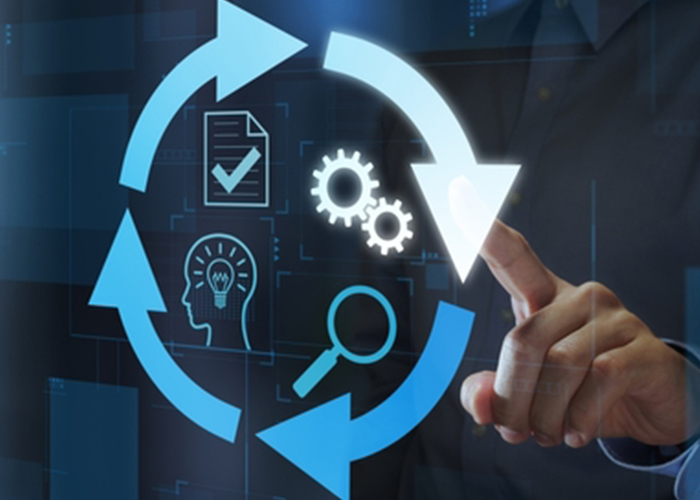
Cyber defence is not a one-time task but an ongoing process. Regular updates, reviews of security policies, and continuous learning all help ensure that cybersecurity measures keep pace with new threats. By combining situational awareness with practical testing and active defence, organisations can build systems that are prepared for the inevitable, rather than simply reactive as the reality is that all organisations will likely experience some type of attack in the future.
Grant Hutchons said, “The most effective defenders are those who stay alert and adaptable. By understanding how attackers operate and applying that knowledge through technology, testing, and strategy, organisations can strengthen resilience and respond to threats with confidence.”